




Taking your pets abroad
PETS passport enables you to avoid putting your cat or dog into quarantine when you travel to certain countries (most countries in Western Europe & Scandinavia). To qualify for exemption from quarantine, you must meet various conditions relating to your pet´s health.
Our understanding of the current requirements are set out in brief below. We strongly recommend visiting the government website https://www.daera-ni.gov.uk/articles/travelling-pets for the latest and full information a long time (9 months) in advance of your travel date.
To get a 'passport' your pet must:
- be fitted with a microchip by your vet
- be vaccinated against rabies - your vet will know what to do
- be blood tested to ensure that the vaccination has worked (when required)
- get a PETS passport from an authorised vet
Once your pet has a PETS passport, it can enter back into the UK providing:
- that six months has passed from the date that the successful blood test was sampled.
- your pet has been treated against ticks and a tapeworm between 24 - 48 hours before it is checked in for the return journey to the UK
- your pet has not been outside any of the PETS qualifying countries in the six months before it enters the UK
- your pet is travelling on an authorised route with an approved transport company
Other Considerations
- take your pet for a health check by your vet in advance of your journey. Get advice from your vet on pregnant animals.
- speak to the carrier in advance to ascertain the conditions that your pet will travel in and to ensure that you have the required paperwork.
- do not use sedatives unless advised by a vet.
- give your pet only a light meal about 2 hours before travel.
- check with the carrier that your pet will have full and constant access to fresh water.
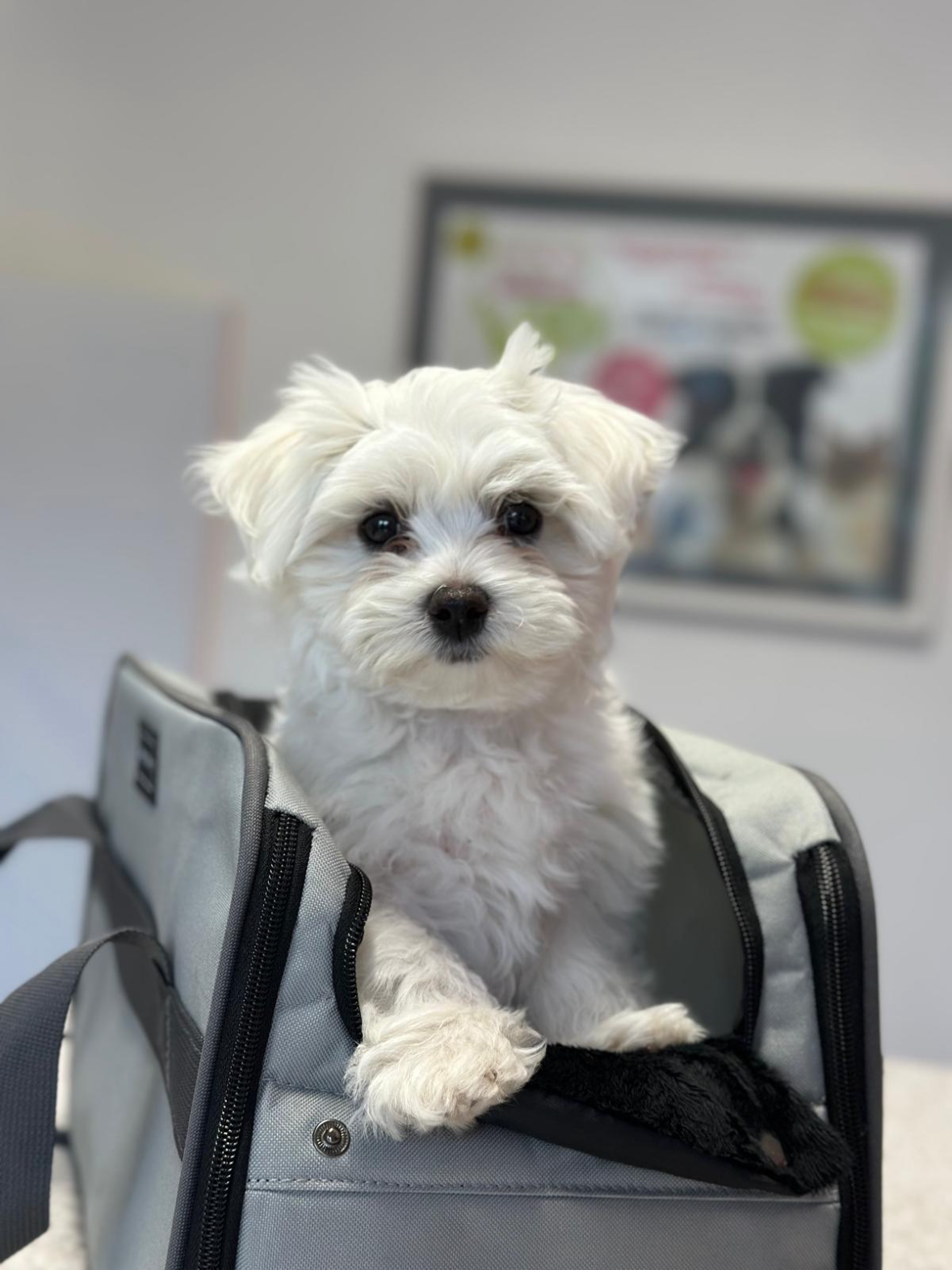
- use a container which enables your pet to stand, sit and lie down in a natural position, and to turn around easily. The container should contain absorbent bedding and provide ample ventilation. A familiar toy can help your pet get used to the container.
- ensure that your pet will not be exposed to extreme temperatures.
- try and match your pets sleeping patterns by travelling overnight where possible


